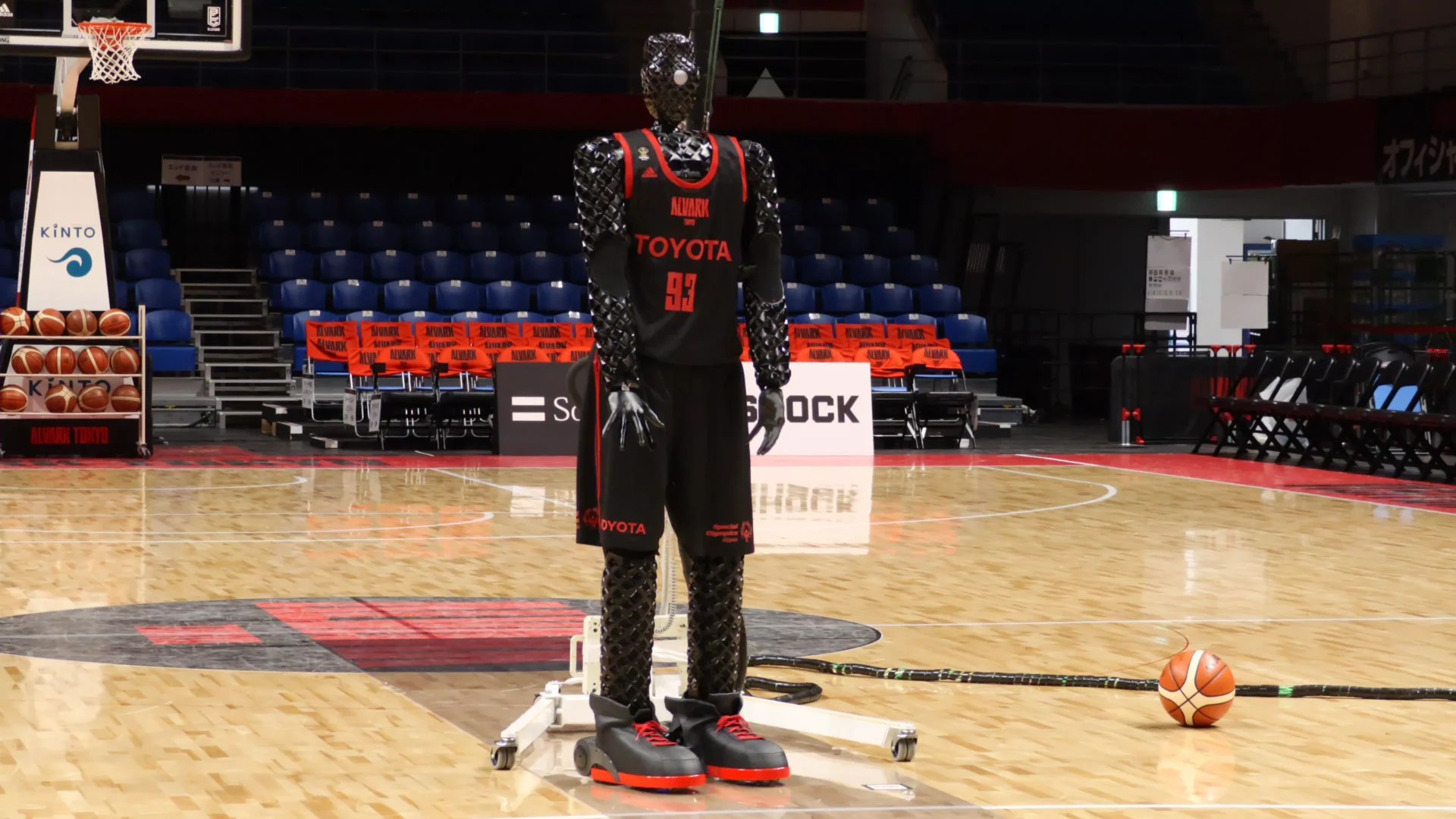
The opening featured drones and a robot ball boy, but what really caught everyone's attention was CUE, the robot basket.
The 2020 Olympic Games in Tokyo have been using technology since their opening. For entertainment, during the basketball halftime show, a humanoid robot made accurate shots.
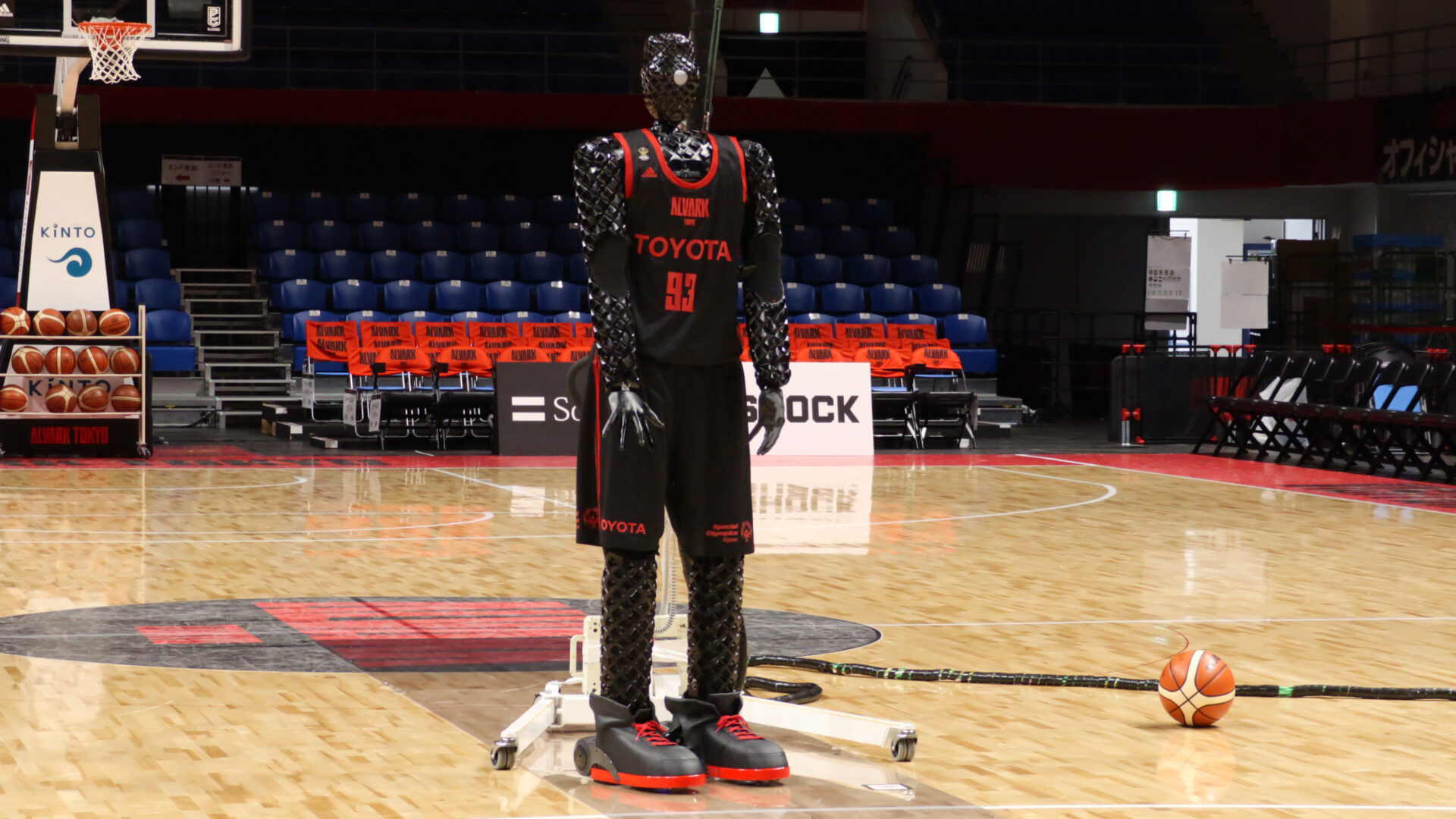
Reproduction image / Toyota
CUE was developed by Toyota employees in Japan on a voluntary basis and is already in its fifth version. The robot is 2 meters and 13 centimeters tall and has made baskets from the three-point line and from half-court. Its third generation entered the Guinness World Record in 2019 by making 2020 consecutive baskets.
“Developments ranged from electromechanical systems capable of launching a ball, to computational systems that analyze images and make decisions that correctly activate the electronic components with the appropriate energy parameters,” explains Rodrigo Aquino, coordinator of the Computer Engineering course and the Artificial Intelligence and Robotics Center at ESEG – Faculdade do Grupo Etapa. “This problem becomes very complex since the launch starts from different positions, and with each new launch there is also a variation in the positioning of the ball in the robot's hands.”.
The coordinator states that, in order to accurately estimate costs, the implanted sensors must be well-developed. This is because they provide input information such as the distance to the basket and the weight of the ball, allowing decisions to be made regarding the angle and force of the shot.
“"All these variables must be incorporated into this system, which can be 'trained' to learn the ideal launch values according to the situation, and after several training phases, the robot will be able to make more precise launches," he adds.
Beyond basketball, Aquino states that it's possible to develop different robot athletes. “We can imagine that each sport can be seen as a new problem to be solved, which can be divided into sub-problems with defined objectives. Each of these problems could have computational and/or mechanical solutions that can be developed to achieve the final objective of the game.”.
“It’s interesting to see the application of electromechanical and computational technologies in the development of solutions that perform complex tasks that were previously only performed by humans. Such applications show that we can still further optimize our production processes and develop new work techniques in different areas, using robots as support,” says the coordinator.