




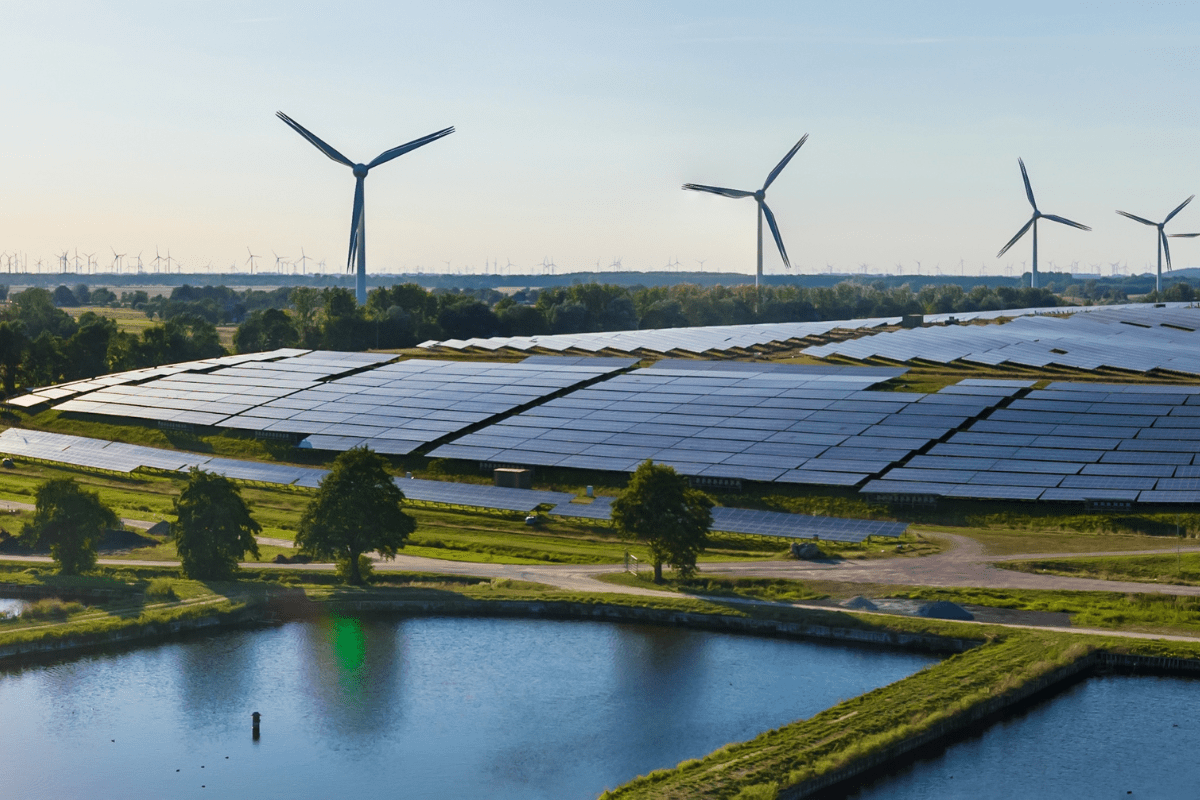
The shift in Brazil's energy matrix and the country's leading role in clean energy.
A Brazilian energy matrix It has undergone significant transformations in recent decades, marking a transition towards cleaner and more sustainable sources.
The country, known for its abundance of natural resources, has played a crucial role in the global clean energy landscape.
Historically, Brazil's dependence on traditional sources, such as hydroelectricity, was evident.
However, a number of factors, including environmental concerns, climate change, and technological advances, have driven a substantial shift in the energy matrix.
The country has emerged as a leading player in the development and implementation of more sustainable energy solutions.
Main types of clean energy
Solar energy
Obtained by capturing sunlight through solar panels, which convert that light into electricity.
Wind energy
Generated by the movement of air, captured by wind turbines that convert this kinetic energy into electricity.
Hydropower
Derived from the movement of water in rivers or reservoirs, it is a traditional form of renewable energy obtained through hydroelectric power plants.
Biomass energy
Originating from organic materials, such as agricultural waste, wood, and biofuels. It can be converted into electricity or used directly for heating.
Geothermal energy
It originates from the Earth's internal heat and is captured through geothermal wells for electricity generation or heating.
How does Brazil produce clean energy?
One of the milestones in the transformation of Brazil's energy matrix is the increased participation of renewable sources, such as solar and wind power.
Solar park and wind farm projects have been multiplying in various regions, taking advantage of vast areas with high solar incidence and favorable winds.
This diversification has contributed not only to the reduction of greenhouse gas emissions, but also to the country's energy security.
Furthermore, Brazil has invested significantly in biofuels, particularly in the production of ethanol from sugarcane.
This sustainable approach not only reduces dependence on fossil fuels, but also boosts the country's agricultural economy.
Its leading role in this type of production has attracted international attention, establishing the country as a benchmark in innovation and commitment to renewable energies.
The clean energy sector in Brazil also benefits from the growth of the electric vehicle market.
Sales of electric vehicles in Brazil are growing, but they still represent a small share of the market.
For now, the best-selling models are the hybrids.
As charging infrastructure expands, significant growth in the adoption of this type of vehicle is expected.
It is important to point out that, in addition to the logistics of recharging, the high price is another inhibitor to this growth.
This transition to electric mobility not only reduces pollutant emissions, but also creates opportunities for the Brazilian automotive industry to position itself as a leader in the production of electric vehicles in Latin America.
In addition to local initiatives, Brazil plays an active role in international forums on climate change and sustainability.
Commitments to reduce emissions, such as those established in the Paris Agreements, highlight the country's responsibility to contribute globally to mitigating environmental impacts.
The transformation of Brazil's energy matrix not only boosted the economy through emerging sectors, but also highlighted the country's responsibility in building a greener and more resilient energy future.
At ESEG College, part of the Etapa Group, the course of Bachelor's degree in Production Engineering It addresses these issues and prepares students for this future.
Production Engineering: Everything you need to know about the course
Be a part of it. Subscribe Apply through our entrance exam and come be a part of the ESEG team.