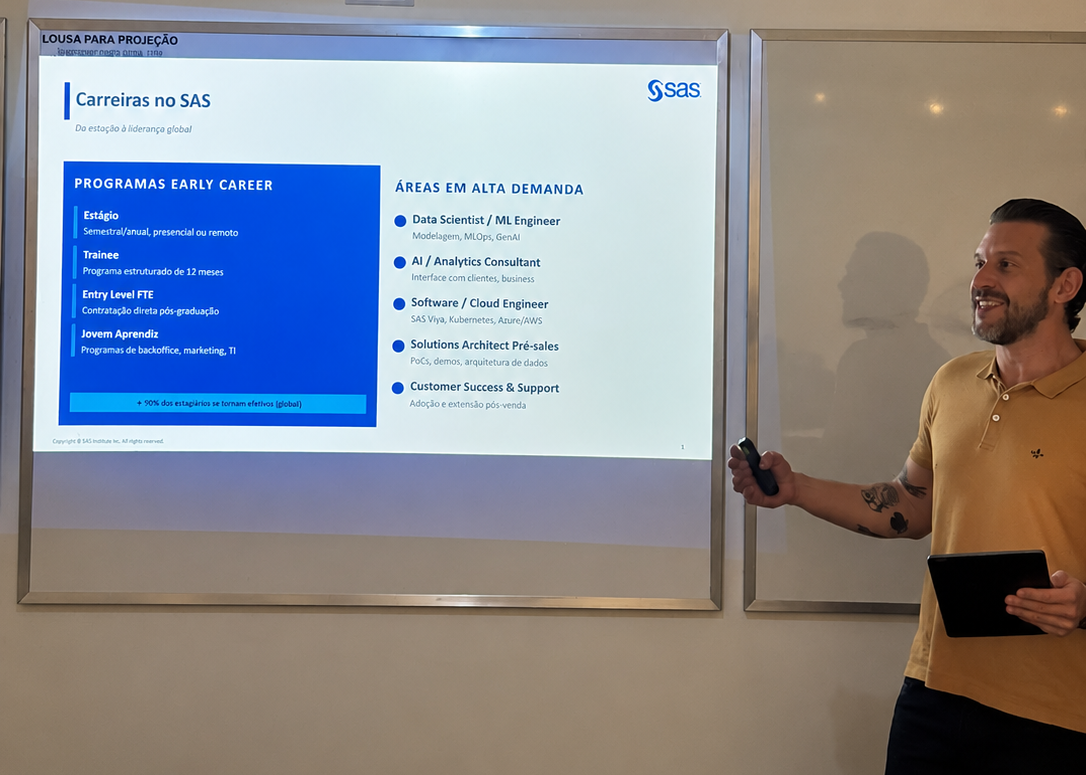
Around 600 teenagers have already participated in the extracurricular course coordinated by teacher Pablo Ganassim.
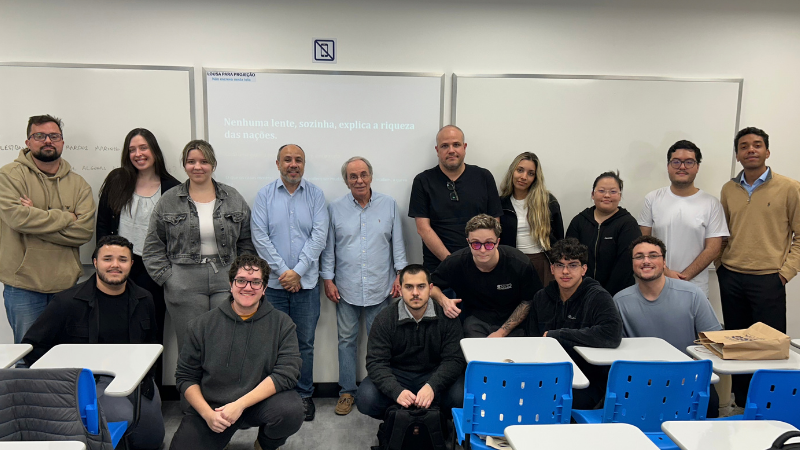
The extracurricular activity for students at Colégio ETAPA has been taking place since 2013 in its São Paulo and Valinhos units. Organized by Professor Pablo Ganassim, a specialist in Business Management from ESEG, the Entrepreneurship & Finance Course lasts 30 weeks during the school year and is exclusively for 10th-grade students. In seven years, around 600 students have already participated in the course.
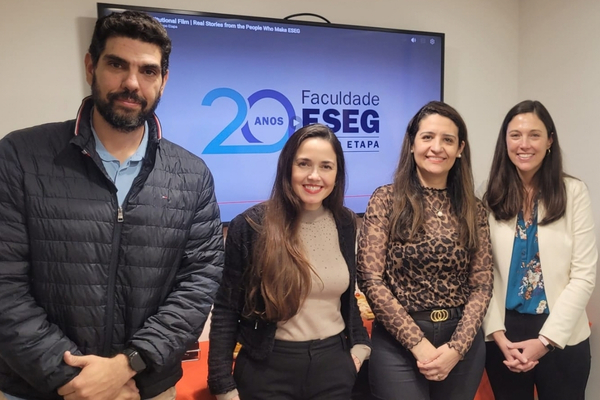
With the goal of teaching teenagers about personal and legal finance, as well as entrepreneurship, the initiative includes theoretical and practical activities. Classes are taught by professors Pablo Ganassim, the course coordinator, Carlos Coelho, and Douglas Giglioti. In addition, professionals from the financial market and entrepreneurs are invited to share their perspectives and experiences from their lives and careers.
“In the first semester, they develop skills such as communication, people management, and leadership. In the second semester, they learn everything they need to know to start a business, focusing on people management and sustainable business practices,” reports Professor Giglioti.
“The course was exceptional because we started out knowing almost nothing about the topics covered, and now we know techniques that we thought we would only learn in college,” points out Zolder Stekhardt Filho, one of the students from the QR Health group – winner of the final project for this year's Entrepreneurship & Finance Course.
All the theory serves as a basis for students to produce a final project. In order to solve a societal problem in an economically accessible way, students must develop a startup project that will go through evaluation and elimination panels. This year, the phases took place at both ETAPA College campuses – in São Paulo and Valinhos.
 The first judging panel consists of professors and students from the previous year's finalist groups; the second is composed of invited guests who are entrepreneurs or work in the financial market; the third is conducted with resident entrepreneurs from an incubator, such as Google For Startups and Cubo; and the last is when the finalist projects are presented publicly and receive a public vote. In previous years, the fourth phase took place during the Multi Expo; this year, the presentation was via videoconference and the voting was remote.
“"These moments help students develop an attitude towards the job market while still in adolescence, since they are evaluated by professionals in the field – especially in the third panel," says Professor Ganassim.
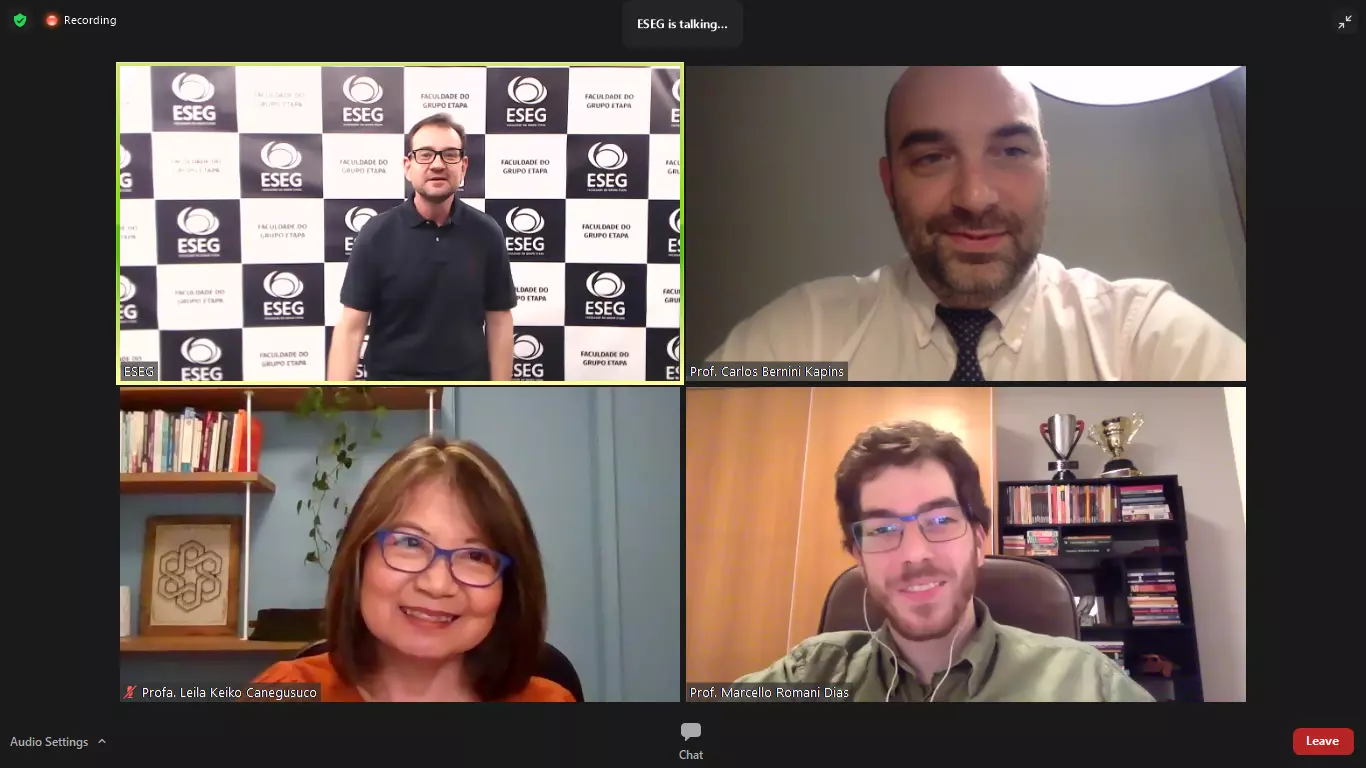
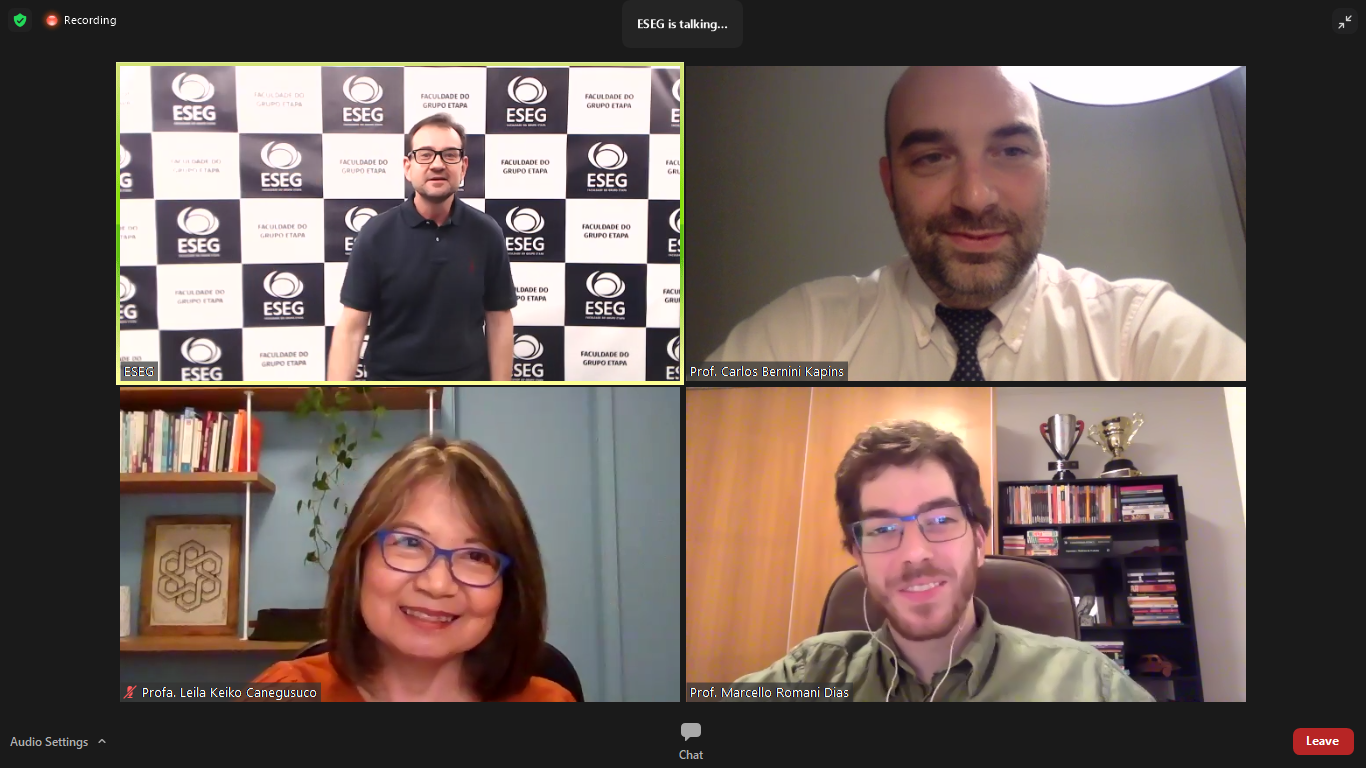
During the fourth phase, three finalist startups competed for votes cast using ESEG Money from visitors and the evaluation panel, composed of professors Carlos Kapins, Marcello Romani, and Leila Canegusuco – the latter two also from ESEG. ESEG Money, a fictitious currency, simulates the investment the startup would receive.
Evaluated as real startups, students are guided through the entire professional environment. Therefore, they learn various techniques for opening and maintaining a company. Classes focus on business plans, financial planning, investments and rate of return, economics, macroeconomics, and other topics.
“They need to know everything. It’s a laboratory where students learn about professional issues and develop multiple skills, whether for an entrepreneurial career or as an employee of a company, and which they can also take into their personal lives,” says Ganassim.

This year's winning project, QR Health, is an application for users with intellectual disabilities or mental disorders. Through a QR code, it's possible to access the user's necessary data to help in times of extreme need. By scanning the code with any cell phone, it's possible to find out the person's age, type of disability or disorder, blood type, name of the caregiver, contact phone number, and nearby healthcare facilities. The QR code can be installed on the user's cell phone, printed, or even engraved on metal and placed on a bracelet, for example. The QR Health team consists of Zolder Stekhardt Filho, Luiz Felipe Arruda Torres, Luiz Gustavo Rossi Pernassi, and Victor Rodrigues Frigogem.
“We seek to give people freedom, that’s the goal of our product and service,” says Zolder. “This course was one of the most invigorating and intense things that happened this year. I feel like a phoenix, reborn, this victory reinvigorated me,” he adds.