




What is Maker Culture?
Have you ever heard of maker culture? This movement, which has even been praised by former US President Barack Obama, is gaining increasing popularity among students worldwide. In today's post, we'll explain... What is maker culture? And what are its benefits for the learning process? Keep reading and find out!
So, what exactly is maker culture?
Maker culture can be translated to creative culture and its main characteristic is the idea that Anyone can create., To build or repair their own products, with the goal of offering innovative solutions to societal problems and issues.
This proposal is gaining increasing traction, mainly due to the democratization of knowledge, driven by technological advancements and the emergence of tools such as 3D printers and laser cutting machines. Also known as hands on, In other words, hands-on learning, the maker culture allows for mistakes, successes, and, most importantly, learning.
Maker culture enthusiasts believe that it's not necessary to wait for a product or service to be launched, that it's possible... turning ideas into reality and that anyone can develop technologies and be a protagonist of innovation. For many experts, maker culture is one of the factors that will enable a new industrial revolution.
Advantages of maker culture for learning
Maker culture is an excellent ally for learning, since people assimilate content better when they are encouraged to practice. Furthermore, hands-on learning promotes interaction between students and teachers, increasing student engagement during classes and activities.
Check out the main advantages of maker culture for the learning process:
- It makes teaching more attractive;
- It encourages autonomy and proactivity;
- It encourages creativity;
- Awaken leadership;
- It fosters the emergence of new technologies, products, and services;
- Prepares you for the real challenges of the job market.
Maker culture at the University
As we mentioned, the "do-it-yourself" culture offers numerous benefits for learning. Therefore, before choosing your college, research educational institutions that encourage the maker movement and offer all the necessary infrastructure for students to get hands-on experience.
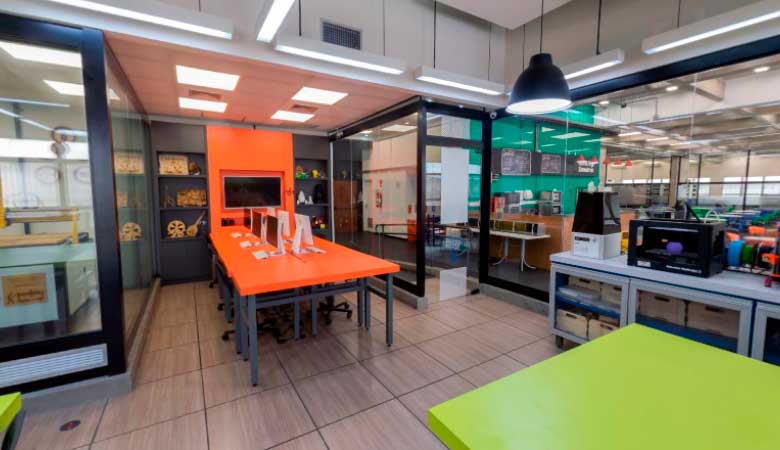
With the goal of encouraging the development of innovative projects, ESEG maintains the Technological Innovation Laboratory (LITE) Since 2017, the space has all the necessary infrastructure for creating prototypes, from design to the final product.
LITE has modern equipment, such as:
- 3D printers;
- CNC milling machine;
- Laser cutting machines;
- Lathe;
- Plotter printer;
- Paint booth;
- Welding;
- Computers for creating and modeling parts.
Watch the video to see the space.
Did you enjoy learning what it is? maker cultureWithout a doubt, this trend is only expected to grow in the coming years, and those who have already adapted to it will be one step ahead. Want to know more about market trends? Check out our [link/resource]. post about Design Thinking.