



Learn about the most commonly used group dynamics in selection processes.
Nowadays, companies' selection processes are constantly evolving. Through group dynamics, they seek not only to identify candidates' technical skills, but also to assess their interpersonal skills and ability to work in a team.
In this article, we will explore the most commonly used group dynamics in selection processes, highlighting their importance and how they contribute to the formation of successful teams.
Join us on this journey of discovery into the art of selecting the best talent!
What are group dynamics?
Group dynamics are activities or exercises that involve the participation of a group of people with the goal of evaluating and developing skills, behaviors, and competencies.
Its main purpose is to allow recruiters and managers to identify candidates or team members who best fit a given role or work context.
Main dynamics used in selection processes
1. Group brainstorming
Group brainstorming is a dynamic activity that assesses the creativity, critical thinking, and teamwork skills of the candidates.
Participants are challenged to generate ideas on a specific topic in a collaborative environment.
This helps recruiters identify candidates with good communication and problem-solving skills who can effectively contribute to innovation within the company.
2. Case study
The case study is a dynamic exercise that simulates real-life situations that may occur in the workplace. Candidates are guided to analyze, discuss, and propose solutions to a problem.
This exercise assesses the candidates' logical reasoning, decision-making, and analytical skills.
3. Team-building exercises
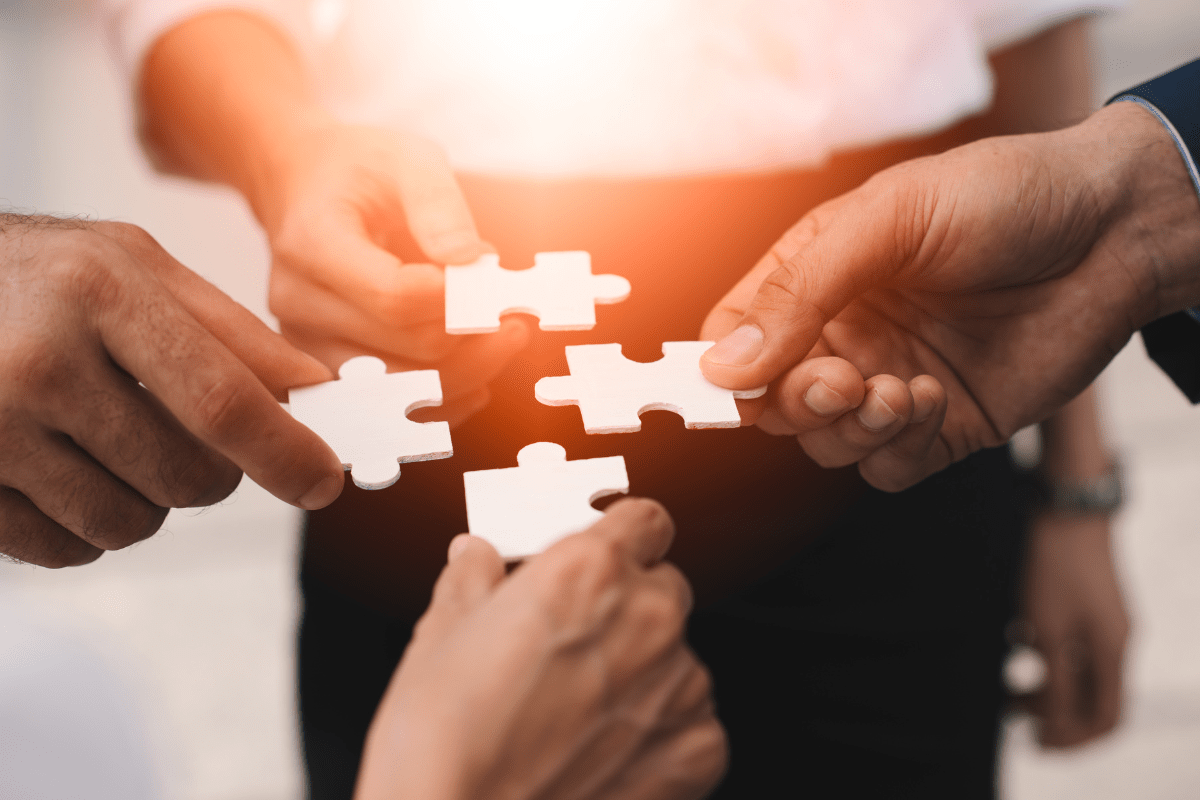
Team-building exercises test candidates' ability to perform tasks in groups.
These dynamics often involve carrying out tasks that require cooperation and coordination among team members.
Recruiters observe how candidates handle conflict, leadership, and mutual support.
4. Role playing
Role-playing involves simulating everyday work situations. Candidates assume specific roles and interact with each other.
This allows recruiters to assess candidates' communication skills, empathy, and ability to handle interpersonal challenges.
5. Introductions
Individual or group presentations are common in selection processes. Candidates are asked to share information about themselves, their experiences, or solutions to a specific problem.
These presentations assess the candidates' communication skills, confidence, and ability to persuade.
Each of these dynamics offers valuable insights into the candidates' skills, personality, and ability to collaborate.
As organizations seek to build strong and effective teams, group dynamics become an indispensable tool for identifying talent that not only possesses the necessary technical skills but is also aligned with the company's culture and values.
Read more: Video interview: how to prepare for this type of selection process?
In ESEG College, part of the Etapa Group, Students are guided and prepared to go through the entire selection process to obtain an internship.
This happens through Career Development Center, which provides all the necessary guidance and support during this stage of life.
Join ESEG and experience it for yourself.