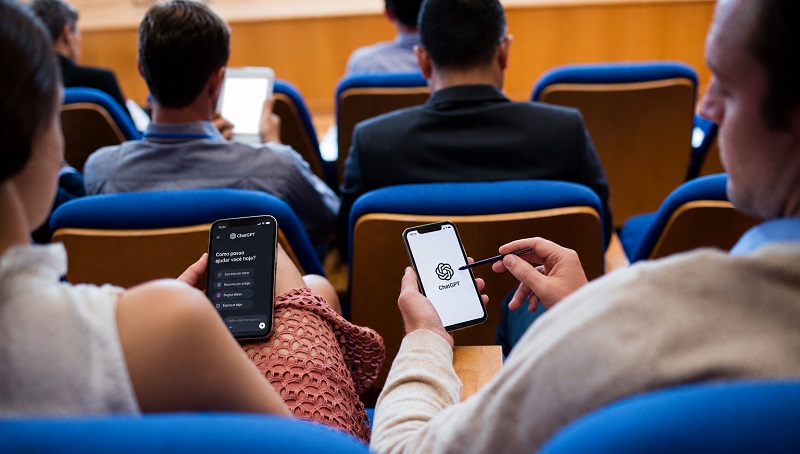





Digital transformation: how technology and innovation are redefining the job market.
The digital transformation of recent years has redefined the world of work, with technology and innovation reshaping entire sectors of the economy.
Digital transformation has profoundly affected how companies operate and how professionals perform their roles, resulting in an almost palpable shift in the dynamics of the job market.
In today's landscape, continuing education is vital. Professionals must be prepared to constantly learn and adapt to rapid technological changes.
In turn, companies also have an important role to play, offering training and development programs to empower their employees.
In this post we will discuss the main changes resulting from digital transformation and what this means for the future of various professional fields.
How has digital transformation changed the job market?
1. Task automation
The automation of routine and repetitive tasks has become commonplace in many industries. This means that, in many sectors, work has been performed by machines and algorithms. For example, the chatbots They are replacing customer service in some sectors.
Read more: What is automation and how does this technology impact the job market?
2. Artificial intelligence and data analysis
Currently artificial intelligence Data analysis plays a fundamental role in many industries.
They allow companies to make more informed decisions based on insights from collected data and automate processes to boost their business. For example, using AI for screening and selecting candidates.
3. Change in required skills
With the automation and digitalization of many functions, the skills required in the job market are also changing.
The demand for professionals skilled in data extraction has increased, especially those proficient in tools such as Excel, Python, R, SQL, and VBA. Furthermore, the ability to analyze and present results clearly and accurately, using tools like Power BI and storytelling techniques, is highly valued.
4. Remote work and flexibility
Instant connectivity has enabled remote work and more flexible hours. Many companies now allow their employees to work from anywhere in the world, which can positively impact work-life balance.
5. Ethics and digital security
With the collection and storage of large volumes of data, ethics and digital security have become critical concerns for businesses. Regulations, such as the General Data Protection Law, have been developed to guarantee the privacy of individuals.
Tips for keeping up with the digital transformation
1. Develop digital skills
Invest time in learning digital skills relevant to your field. This could include programming, data analysis, artificial intelligence, cybersecurity, and more.
2. Participate in courses and training.
There are many online and in-person courses that offer training in technology and innovation. At ESEG College, part of the Etapa Group, you can find... professional development courses Focused on the technology field, including for beginners.
3. Follow trends
Stay up-to-date on technological and market trends. This can be done by reading news, specialized blogs, and participating in industry events.
4. Mentoring
Seek out mentors who have experience in technology and innovation. They can offer valuable guidance and share their knowledge.
5. Develop soft skills (behavioral skills)
In addition to technical skills, it is important to develop communication and social skills. Being able to explain complex concepts clearly, interact with others, and understand your own emotions are valuable assets.
6. Be open to change.
Be willing to change the way you work and to think innovatively. Flexibility is a valuable skill in a constantly changing world.
As we look to the future, it's clear that digital transformation in the job market is an ongoing and inevitable process, and companies that embrace technology and innovation are well-positioned to thrive.
The future of work is digital, and those who adapt to this reality have the opportunity to grow and excel in a constantly evolving environment.