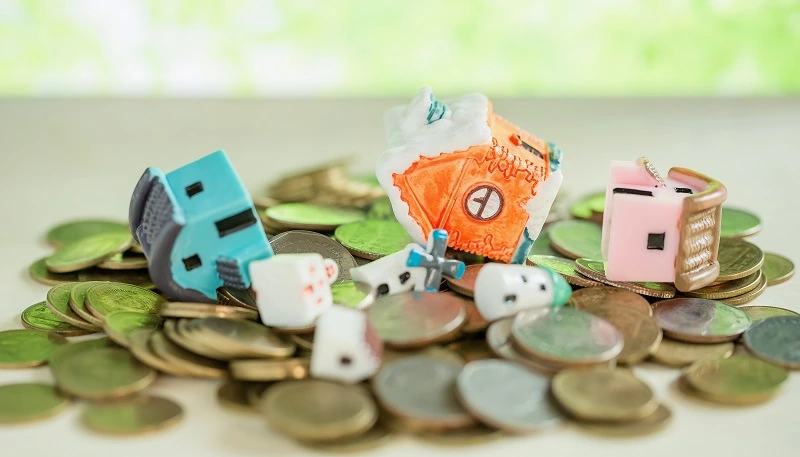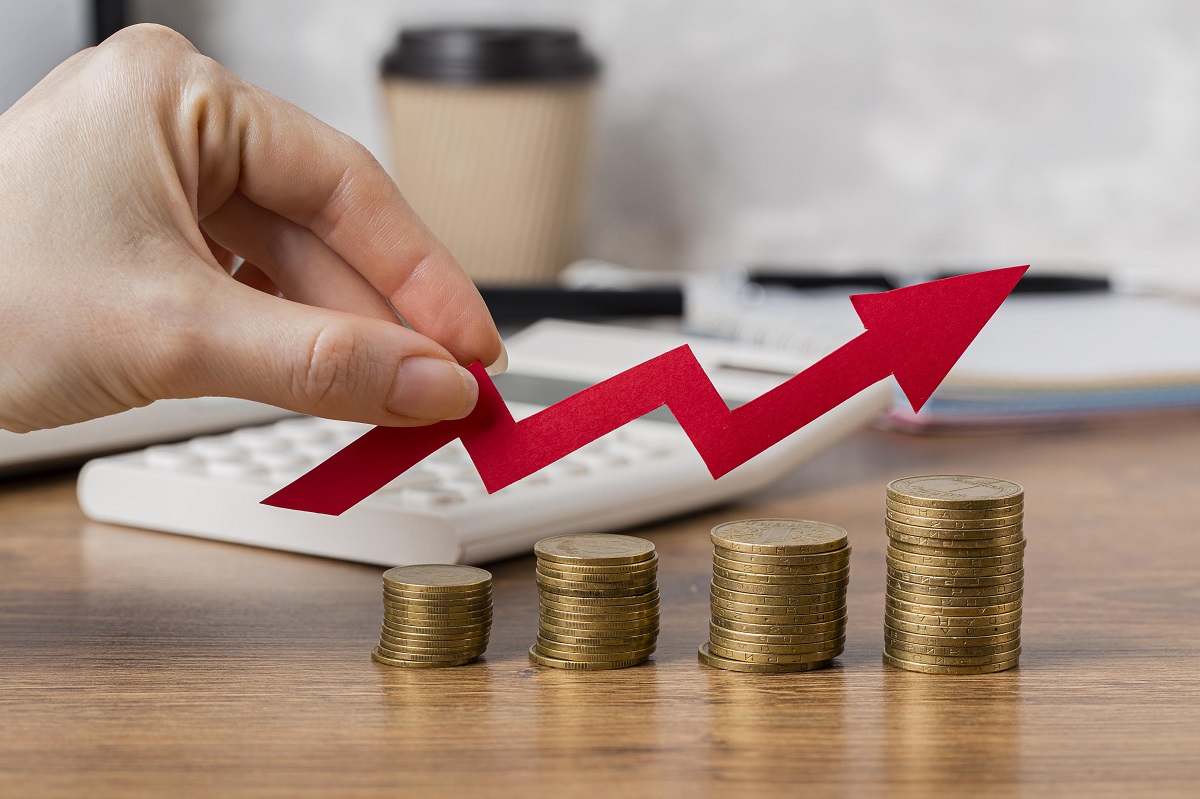





Why do you buy something you didn't plan on? Why do you have difficulty saving money even though you know you should? These questions, which challenge the classic rules of economics, are answered by an area that is gaining increasing relevance: Bachelor's degree in Economics with a focus on human behavior.
The traditional view that consumers are always rational does not hold up in the face of reality. Studies show that Emotional, social, and psychological factors directly influence purchasing and investment choices. And that is precisely why the most modern educational institutions are adapting to train economists who understand the complexity of human decisions.
In this article from ESEG Blog, You'll discover how Behavioral Economics applies to your life and the market, why the traditional view of economics is becoming outdated, what makes the ESEG course so innovative and different, and why this knowledge will be important in the new economy. Check it out!
Behavioral Economics in Practice: How it Affects What You Buy and Where You Invest
Imagine you enter a store to buy an item that costs R$100. You discover that, 10 minutes away, the same item costs R$70. You would most likely make the effort to save money. But, if the item cost R$1,000 and the difference was the same, it might not be worth leaving the store. Why?
The answer lies in the way we perceive value and risk. Our minds react differently to contexts that are mathematically equivalent. This is just one example of how Behavioral Economics works.
By understanding how Heuristics (mental shortcuts), cognitive biases, and emotions influence our choices., Behavioral economists are able to create more realistic strategies for consumption, investment, pricing, and communication.
This approach is used by companies to optimize marketing campaigns, by governments in formulating public policies, and by investors to evaluate decisions that deviate from purely rational logic.
Why doesn't traditional economics fully explain human behavior?
For a long time, economic models assumed that agents are rational, utility-maximizing, and cold, calculating decision-makers. But... Real life is made up of impulses, social pressures, anxiety, and regrets.
The 2008 financial crisis, for example, exposed the weaknesses of these models by showing how herd behavior and overconfidence led to bubbles and collapses. It was necessary to understand the "how" and the "why" people act the way they do.
It was in this context that the Behavioral Economics has gained prominence., ...especially after the work of Daniel Kahneman and Richard Thaler, Nobel Prize winners. Today, none. Faculty of Economics SP Those who intend to prepare professionals for the future can ignore this field.
How does the ESEG course train economists prepared to interpret consumer and investor behavior?
ESEG is a private college in São Paulo what understands the need for multidisciplinary and applied training.. Your Economics course goes beyond classical theory andpromotes training that is connected to the real demands of the market.
At ESEG, Behavioral Economics is not an isolated curiosity, but a structuring part of the undergraduate program. Students study:
- Cognitive biases and their implications for consumption.
- Experimental Economics and A/B Testing
- Behavioral Finance and Investor Psychology
- Nudges and choice design
- Applying behavioral economics to public policy and business.
All of this combined with laboratories, hands-on projects, partnerships with companies, and active professors. It's a Training that combines theory, practice, and purpose.
To enroll at ESEG in 2026, the candidate can choose to... college entrance exam or use your grade from ENEM. The entrance exam is an excellent option for those who wish to take a test exclusive to the institution.
If you prefer a more practical alternative, your ENEM score can be used for admission. Both options offer the opportunity to study at one of the best universities. higher education institutions in Brazil.
Behavior, technology, and the market: why this is one of the most promising areas of the new economy.
With accelerated digitization, consumer behavior is more visible and quantifiable than ever before. Browsing data, clicks, preferences, shopping cart abandonment, and sentiment analysis reveal much more than traditional surveys.
In this context, economists with behavioral training are being sought after by: technology startups and marketplaces, financial institutions and investment managers, marketing and big data agencies, governments, and regulatory bodies.
In other words: the intersection between behavior, data and Decision-making is a strategic frontier for those who want to stand out.. Therefore, taking a course higher education college with degree in economics Focusing on these skills is a choice for the future.
Prepare to make better decisions — and help companies do the same.
The ESEG training program was designed to Who wants to be a leader in a market that demands more than just numbers?It requires empathy, critical thinking, and the ability to understand the human being behind the spreadsheet.
When choosing the economics college That's right, you're not just acquiring knowledge. You are... developing the ability to generate value for companies, people and society.
If you want to understand why others make certain decisions (and, more importantly, why you make them yourself), Behavioral Economics is the way forward. And ESEG is the ideal place for those who wish to pursue it at a prestigious higher education institution.
Make a more conscious decision: your career deserves this choice.
It's not enough to follow a path; you need to understand why you're taking it. ESEG offers a... Modern, human-centered training connected to the market.
If you are looking for a Faculty of Economics SP which goes beyond books, and prepares you to understand the mind behind the numbers, You've found your unique selling point.
Access our website Learn more about the Economics degree program at ESEG.