




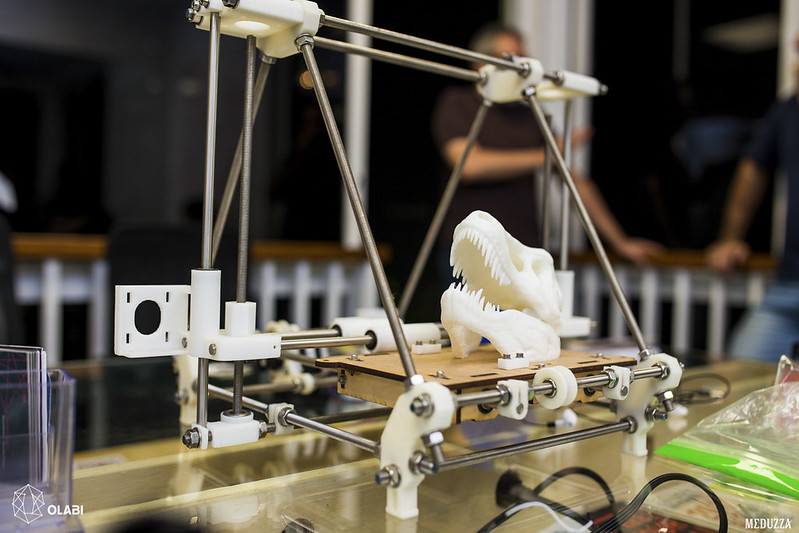
3D printing and biotechnology emerge in Production Engineering; see applications.
By Prof. João Chang Júnior
A Production Engineering this Constantly evolving. Shaped by new technologies and the vast frontiers of efficiency, personalization, and sustainability possibilities, emerging technologies such as Internet of Things (IoT), Artificial Intelligence (AI), Machine Learning, Cloud computing, advanced materials and manufacturing, and many other technologies are becoming increasingly present in the daily operations of organizations.
Among these innovations, two stand out: 3D printing and biotechnology. They are new pillars for the future of industry and offer disruptive applications in various sectors. Let's explore how these technologies are transforming Production Engineering.
3D Printing: Customization and Speed in Production
A 3D printing, Additive manufacturing, as a form of manufacturing, is a well-established reality in various productive sectors, such as automotive, prosthetic, and medical.
A striking example of the use of 3D printing technology in manufacturing is in customized prosthetics and medical devices, allowing for greater accessibility and functionality. Furthermore, sectors such as civil construction are now able to build entire houses using 3D printing, reducing costs and environmental impact!
++ Read more: Where can a production engineer work?
In Production Engineering, It offers significant advantages:
• Cost reduction and time optimization: rapid prototyping allows you to create functional models in just a few hours, reducing costs associated with traditional molds and tools.
• Mass customization: companies can produce customized items on a large scale, meeting the specific demands of each client with high efficiency and speed.
• Sustainability: 3D printing uses only the material necessary to build an object, significantly reducing waste. Furthermore, the filament can be made from repurposed or recycled materials.
Biotechnology: Integration between Biological Sciences and Production
Biotechnology is driving a revolution in Production Engineering, especially in agriculture and the food and pharmaceutical sectors. These innovations enable more efficient processes aligned with pESG (environmental, social and governance) practices, Meeting the demands of conscious consumers and regulators – who are also becoming increasingly demanding:
Read more: Business Administration or Production Engineering: which one should I study?
The main contributions of biotechnology to Production Engineering They include:
• Production of biomaterials: biodegradable substitutes for conventional plastics, such as bioplastics made from algae or starches, are increasingly efficient and accessible sustainable and competitive alternatives.
• Biological factories: genetically modified microorganisms allow for the production of a wide range of products, from complex medicines to biofuels, generating a reduction in the environmental impact of traditional industrial processes.
• Foods of the future: lab-grown meats and other biotechnology-based foods are gradually redefining the food sector, promoting ethical, healthy, and sustainable alternatives to mass production.
Technological convergence and new possibilities
The key difference with emerging technologies is convergence. Imagine Combining 3D printing with biotechnology to create artificial human tissues for transplants., Or, use 3D printers to manufacture laboratory equipment made with biomaterials. These integrations offer an unlimited horizon of possibilities.
A Production Engineering It benefits from this synergy by incorporating intelligent and automated systems that integrate these technologies into production processes, creating a virtuous cycle of innovation.
Read more: Industry 4.0 – How technological advances are changing the profile of the engineer
Challenges and opportunities
Although the advantages are clear, implementing these technologies also brings challenges, such as:
• Professional training: The incorporation of advanced technologies requires engineers with knowledge in multidisciplinary areas.
• High initial cost: Despite the long-term benefits, initial adoption may be prohibitive for small and medium-sized enterprises.
• Regulations and ethics: Legal and ethical issues, especially in biotechnology, are still being debated and regulated.
New technologies require professionals of the future. Here at ESEG College, part of the Etapa Group, We make a point of having one. course Production Engineering Extremely up-to-date, aligned with best market practices, and training students with the ability to lead in the market.
Choosing a college capable of giving the student a solid education in Production Engineering It's essential for your future in the job market – which will always be evolving. Choose the best college to help you on your path to professional success!