ESEG College hosts VDI Brazil meeting to discuss integration between industry and academia.

By Renata Heining
29/05/2026
Browse by topic
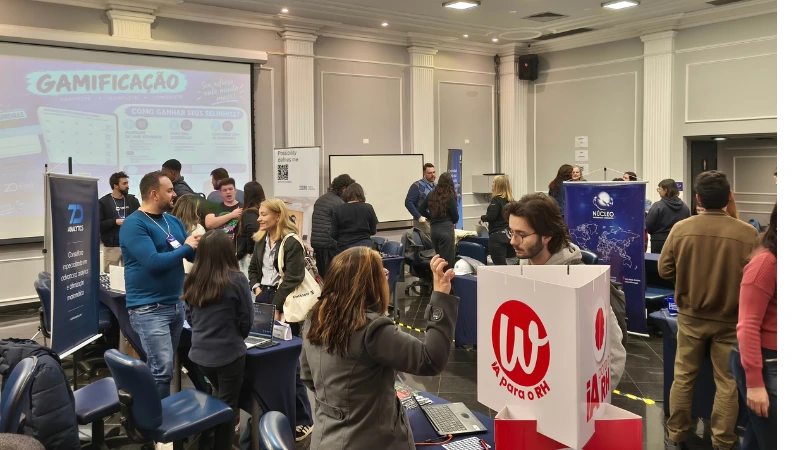
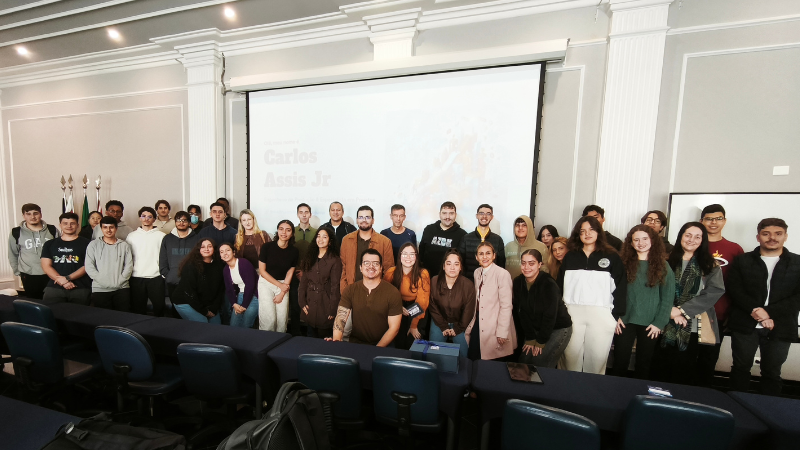
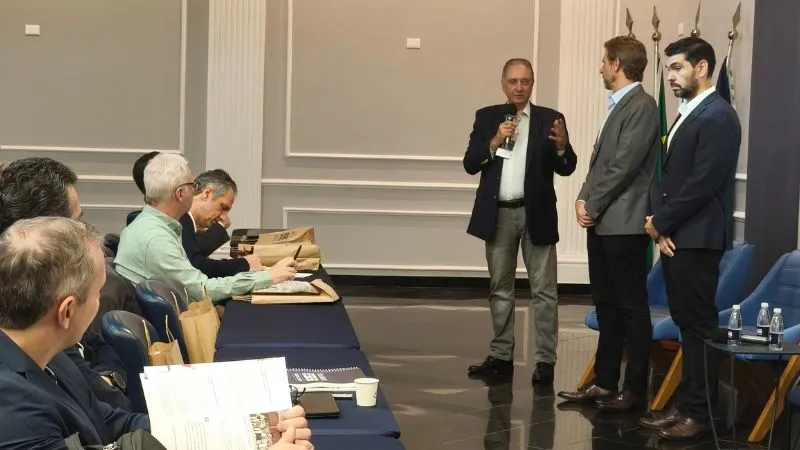
On May 28th, the ESEG College It hosted the first 2026 meeting of the Engineering and Academia Cluster, an initiative promoted by VDI Brasil, an association that brings together engineers and industries from Brazil and Germany, with the aim of strengthening the connection between universities and the industrial sector.
The event brought together professors, industry leaders, and market professionals to discuss the challenges of professional training and the need to bring academia closer to the reality experienced by companies.
According to Lilian Rodrigues, coordinator of Business Relations at ESEG College, the proposal for the meeting arose precisely from the need to strengthen this relationship between universities and industry.
“The intention of this event was really to highlight how both segments are interdependent and to understand why they are not yet connected as deeply. The industry needs interns and prepared professionals. Therefore, the university also needs to understand what these demands are in order to train students aligned with the needs of the market,” he emphasized.
Inspired by models already established in Germany, the meeting had an interactive format and featured panels composed of professors and industry leaders, as well as group activities focused on identifying barriers and building practical solutions for the sector.
Throughout the program, participants discussed topics such as:
The workshops also aimed to highlight current challenges faced by institutions and companies, as well as propose concrete initiatives for the coming years.
Among the challenges identified were difficulties in communication channels between universities and industries, as well as the need to strengthen the relationship between undergraduate, graduate, and labor market studies.
Another point discussed was the importance of expanding students' contact with industrial reality through technical visits, joint projects, and closer ties with factories and partner companies.
According to Luiz Neves, Academic Projects Coordinator at ESEG, this dialogue is essential within the institution's pedagogical proposal, which is to bring students closer to the professional market and expand their opportunities.
“Connecting with the market, especially with industry, is very important. This event opened doors to many partnerships that we can develop in the near future, connecting our students with the reality experienced by industries and better preparing them for professional challenges,” said Luiz.
The meeting also marked the relaunch of the Engineering and Academia Cluster initiatives, which has been working for over ten years to promote closer ties between academic and industrial projects.
According to Livaldo Aguiar dos Santos, vice-president of VDI Brazil As the cluster leader, the proposal now is to further expand the actions developed in partnership with universities.
“We are relaunching this project using ESEG's facilities and counting on the faculty's participation to identify projects for the coming years, aiming to effectively improve the relationship between industry and academia,” he explained.
At the end of the discussions, participants also suggested initiatives such as awards for the best projects developed within the cluster and actions aimed at ensuring the continuity of academic training without distancing professionals from the industry.
The meeting reinforces ESEG College's commitment to maintaining close dialogue with companies and industries, contributing to the training of professionals who are increasingly prepared for the demands of the job market.

Stay informed about relevant topics and what's happening at ESEG College.
Your data is safe.
Unavailable
Institutional
Infrastructure
Entry methods
Relationship
Key differentiators
We use cookies to improve your browsing experience.