




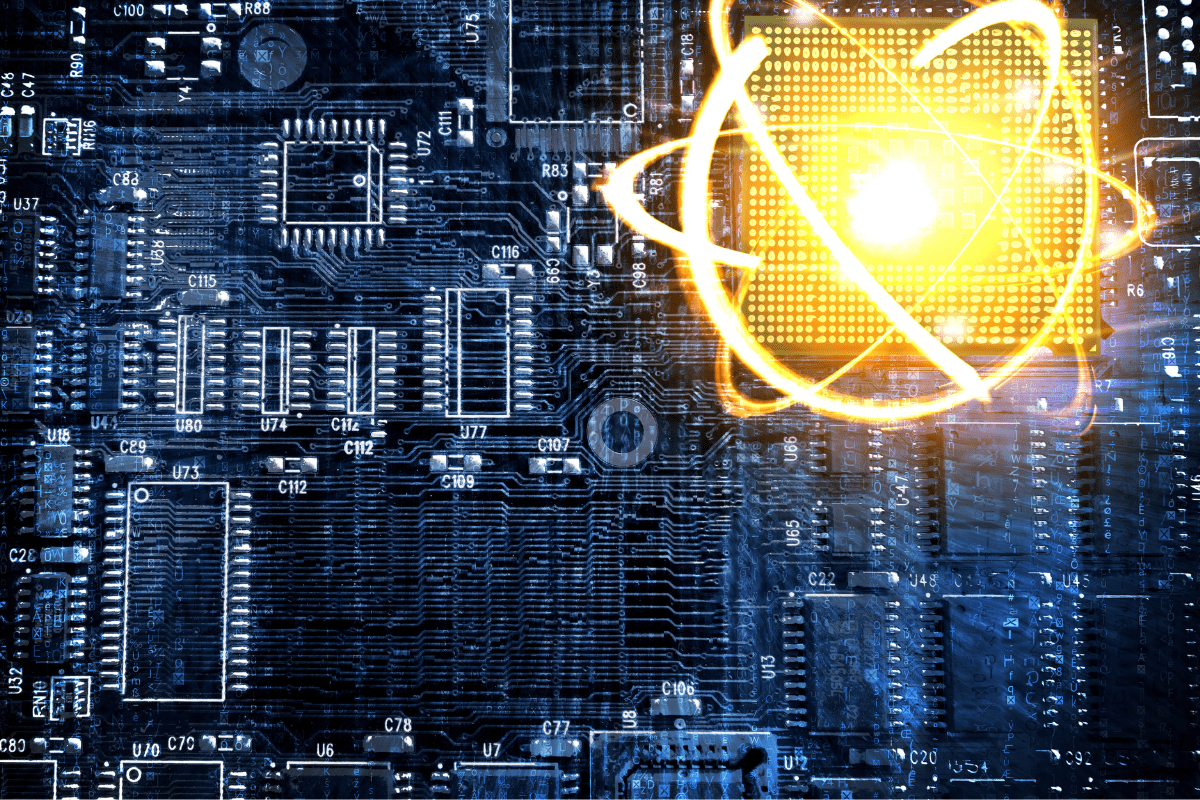
Quantum computing and the need for cybersecurity.
A quantum computing It is a field of computer science that explores the principles of quantum physics to process information.
Computer Engineering: Everything you need to know about the course
Unlike classical computers, which use bits to represent data as 0s and 1s, quantum computers use qubits, which can exist in multiple states simultaneously, thanks to phenomena such as quantum superposition.
This ability to superimpose data allows them to perform calculations in parallel, offering significant potential for solving certain problems more efficiently than classical computers.
Quantum computers also have great potential to impact areas such as cryptography, optimization, quantum simulations, and machine learning.
However, the technology is still in the early stages of development, with significant challenges to overcome, including the need to control and correct quantum errors that may arise during calculations.
This unique combination of quantum properties offers new perspectives for computing, but also presents significant challenges, such as the need to deal with quantum fragility and ensure the stability of information processing.
What does cybersecurity consist of?
Cybersecurity consists of practices, technologies, and processes designed to protect systems, networks, devices, and data against threats, attacks, and unauthorized access.
Its goal is to ensure the confidentiality, integrity, and availability of digital information. This encompasses various preventive, reactive, and proactive measures to mitigate cyber risks.
Key elements of cybersecurity include firewalls, antivirus software, encryption, strong authentication, user awareness, network monitoring, and incident response, among others.
How does cybersecurity relate to quantum computing?
Quantum computing represents a revolution in information processing capabilities, threatening the security of traditional encryption systems.
In this context, the need to develop robust cybersecurity strategies becomes crucial to protect sensitive data and maintain the integrity of communications.
Quantum superposition allows quantum computers to perform calculations exponentially faster than their classical counterparts in certain tasks.
However, this computational acceleration presents a significant threat to cybersecurity.
Quantum algorithms, such as the famous Shor algorithm, have the potential to rapidly unravel encryption algorithms currently considered secure, such as RSA.
This means that encrypted information that is currently considered protected could be decrypted in a timely manner by an advanced quantum computer.
To meet this challenge, it is imperative that cybersecurity evolves in parallel with the development of quantum computing.
New encryption methods, resistant to quantum algorithms, need to be implemented, and in this scenario, post-quantum cryptography emerges as a promising approach, exploring algorithms that remain secure even in the face of advances in quantum computing.
Collaboration between the scientific community, technology companies, and governments is essential to anticipate and address emerging cyber threats.
To achieve this, investing in research and development of post-quantum solutions, as well as raising awareness about the importance of cybersecurity, are fundamental steps to mitigate risks.
Secure communication between devices and networks should also be a priority.
Quantum security protocols, such as key distribution, offer tamper-proof communication methods, leveraging the principles of quantum physics to ensure the confidentiality of transmitted information.
Read more: Web hacking: understand how it works and learn about the main types of cyberattacks